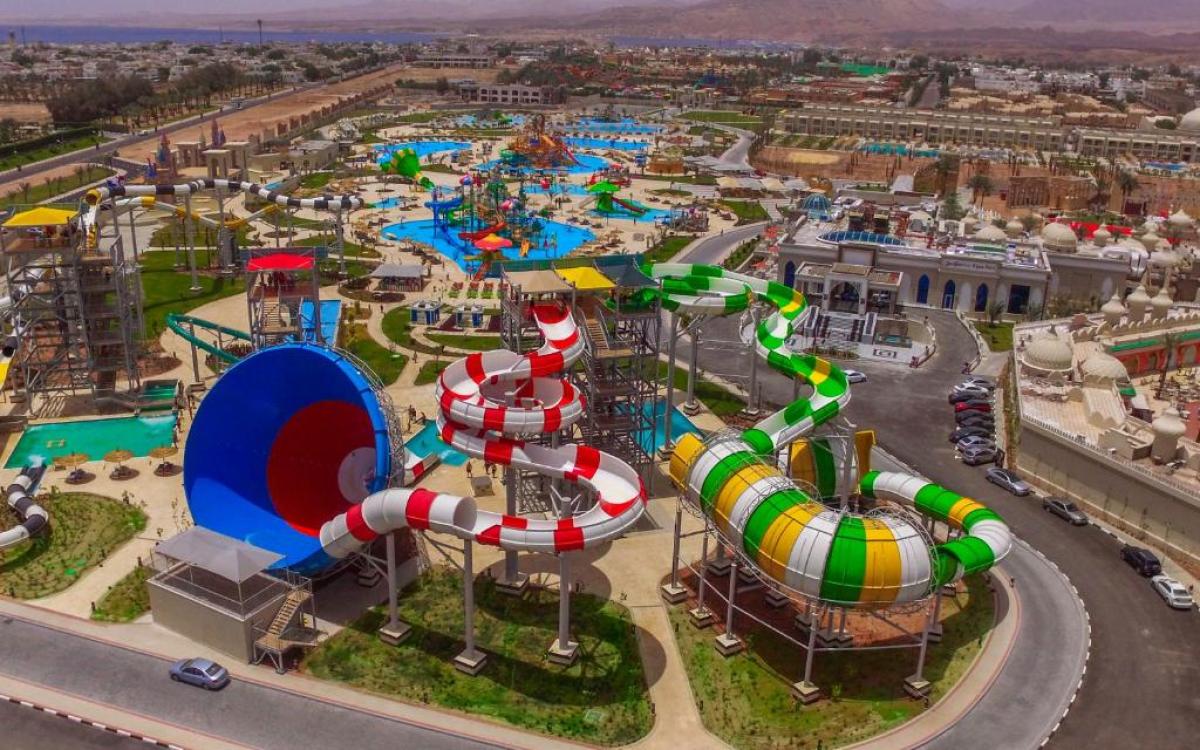
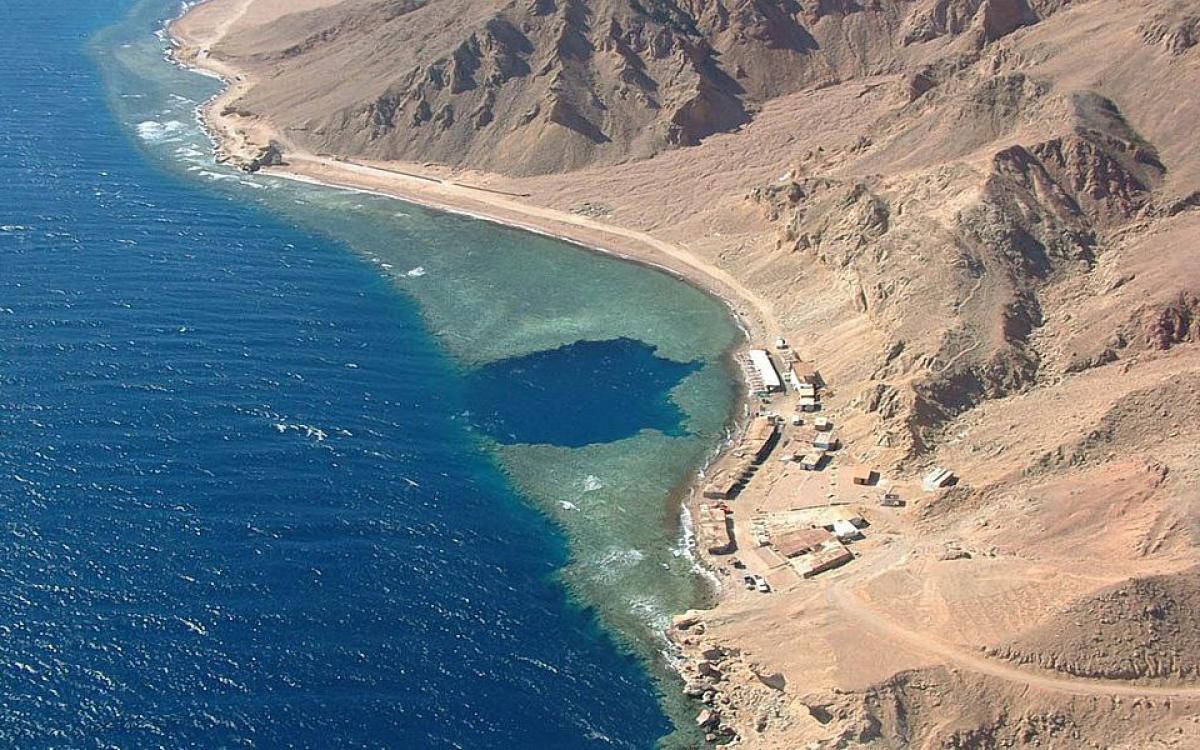
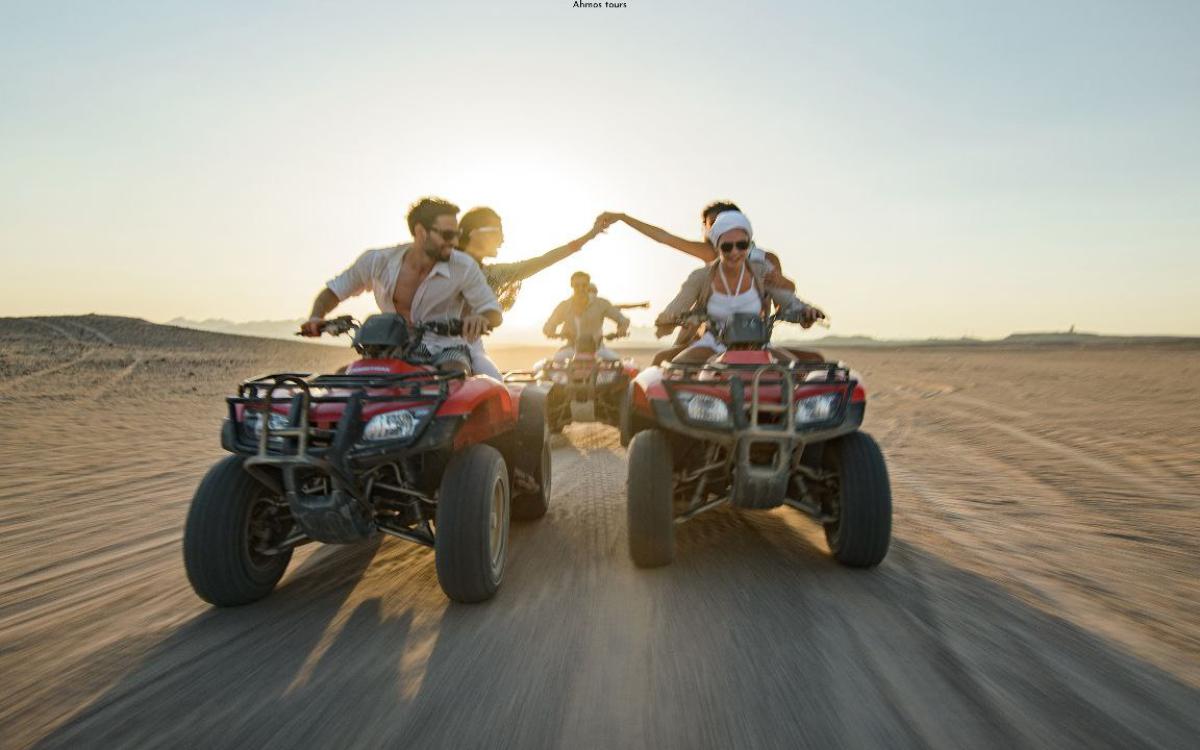
Packing for Egypt is not just about choosing outfits—it’s about preparing for a completely different climate, culture, and travel rhythm. Your experience will be shaped by long sightseeing days under the sun, visits to religious and historical sites, time spent in busy cities, and possibly relaxing days by the Red Sea. Understanding what to bring in advance will help you feel comfortable, respectful, and ready for every part of your journey.
☀️ Understanding the Climate Before You Pack
Egypt is warm year-round, but the intensity of the heat can vary depending on the season and location. In cities like Cairo, temperatures are generally manageable in winter months, while southern destinations such as Luxor and Aswan can feel extremely hot, especially from late spring through early autumn. The sun is strong even when the temperature feels comfortable, and shade is not always available at archaeological sites. This means that your clothing choices are not only about style but also about protection.
Lightweight fabrics that allow your skin to breathe are essential. Natural materials such as cotton or linen tend to work best in the Egyptian climate, helping your body stay cool even during long days of exploring. It’s also important to think about layering, especially if you’re traveling in winter, when mornings and evenings can feel surprisingly cool.
👗 Dressing Respectfully and Comfortably
Egypt is a conservative country, and while tourists are not expected to follow local dress codes strictly, dressing modestly is both respectful and practical. For women, clothing that covers shoulders and knees is generally recommended, especially when visiting mosques, local neighborhoods, or less touristy areas. Loose dresses, long skirts, and lightweight trousers paired with breathable tops are ideal choices. Carrying a scarf is also useful, as it can be used to cover your shoulders or head when needed.
For men, the dress code is less restrictive, but extremely short shorts or sleeveless shirts may feel out of place outside of resort areas. Lightweight trousers, chinos, or longer shorts combined with t-shirts or linen shirts are comfortable and appropriate for most situations.
In beach destinations like Sharm El Sheikh or Hurghada, the atmosphere is much more relaxed, and typical resort wear is perfectly acceptable. However, once you leave the hotel area, it’s still recommended to return to more modest clothing.
👟 Footwear That Can Handle Egypt
One of the most underestimated aspects of packing for Egypt is footwear. You will likely walk more than expected, often on uneven ground, sand, or stone surfaces that have been worn down over thousands of years. Comfortable, supportive shoes are essential, especially for visiting places like the pyramids or the temples of Luxor.
Closed shoes such as sneakers or light walking shoes are usually the best option for sightseeing days, as they protect your feet from heat and rough surfaces. Sandals can be useful for more relaxed moments or evenings, but they are not always practical for long excursions.
🎒 Essentials for Daily Comfort
Daily comfort in Egypt depends heavily on a few small but important items. The sun can be intense, so sun protection is crucial. A good sunscreen with high SPF, sunglasses, and a hat or cap can make a huge difference in how you feel throughout the day. A small backpack or day bag is also useful for carrying water, snacks, and personal items while exploring.
Hydration is especially important, and having a reusable water bottle or regularly buying bottled water is essential. Wet wipes, hand sanitizer, and tissues are also helpful, particularly when visiting more remote sites where facilities may be limited.
🕌 Visiting Religious and Historical Sites
Many of Egypt’s most beautiful places are not only historical landmarks but also religious sites. When visiting mosques, both men and women are expected to dress modestly. Women may be required to cover their hair, which is why carrying a scarf is particularly useful. Shoes are usually removed before entering mosque interiors, so wearing footwear that is easy to take off can be convenient.
At ancient temples and tombs, there are no strict dress rules, but the environment often requires practical clothing. Narrow passageways, steep steps, and enclosed spaces can become warm, so breathable clothing and comfortable shoes are again essential.
🧳 What You Might Not Expect
There are a few things travelers often don’t expect when packing for Egypt. Air conditioning in hotels, transport, and restaurants can sometimes feel quite strong, making a light jacket or sweater useful even in warm weather. Evenings, especially near the Nile or in desert areas, can also be cooler than expected.
Another surprise for many visitors is how varied the travel experience can be. One day you may be exploring ancient ruins in the heat, and the next you could be dining in a comfortable restaurant or relaxing in a resort. Packing a mix of practical daytime clothing and slightly more polished evening outfits can help you feel prepared for every situation.
✨ Final Thoughts
Packing for Egypt is about finding the right balance between comfort, practicality, and cultural awareness. The country offers an incredible variety of experiences, from ancient wonders to modern resorts, and your clothing should be versatile enough to match that diversity.
When you pack thoughtfully, you remove small stresses from your trip and allow yourself to focus on what truly matters—exploring one of the most fascinating destinations in the world. Egypt is a place where every day feels different, and being prepared ensures you can enjoy every moment of it.
Related Posts
First time in Egypt? Learn when to go, what to see, where to stay, and essential travel tips to plan a safe and unforgettable Egypt trip.
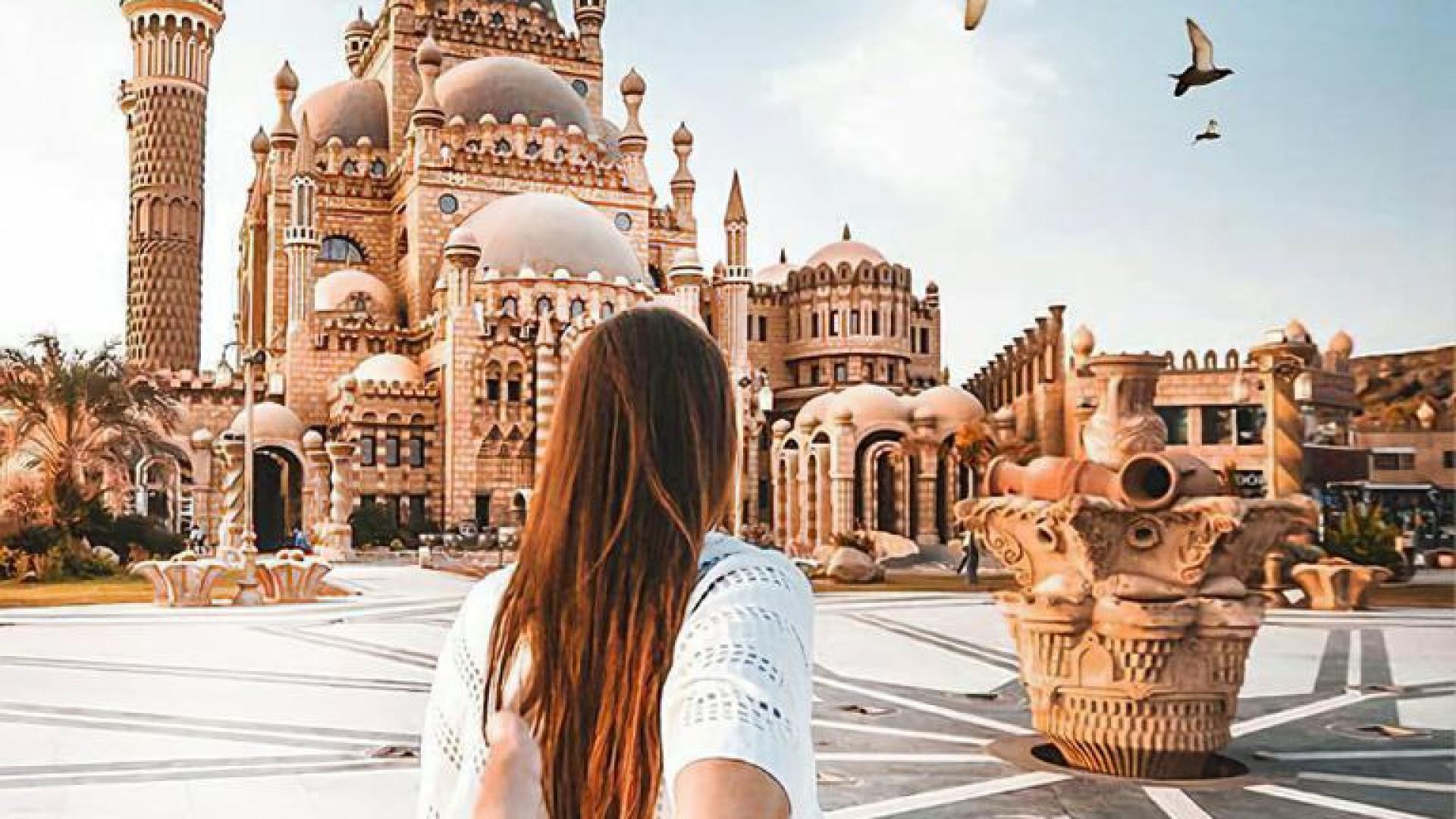
Sharm El Sheikh or Hurghada? Compare beaches, snorkeling, excursions, and prices to choose the best Red Sea resort for your trip.
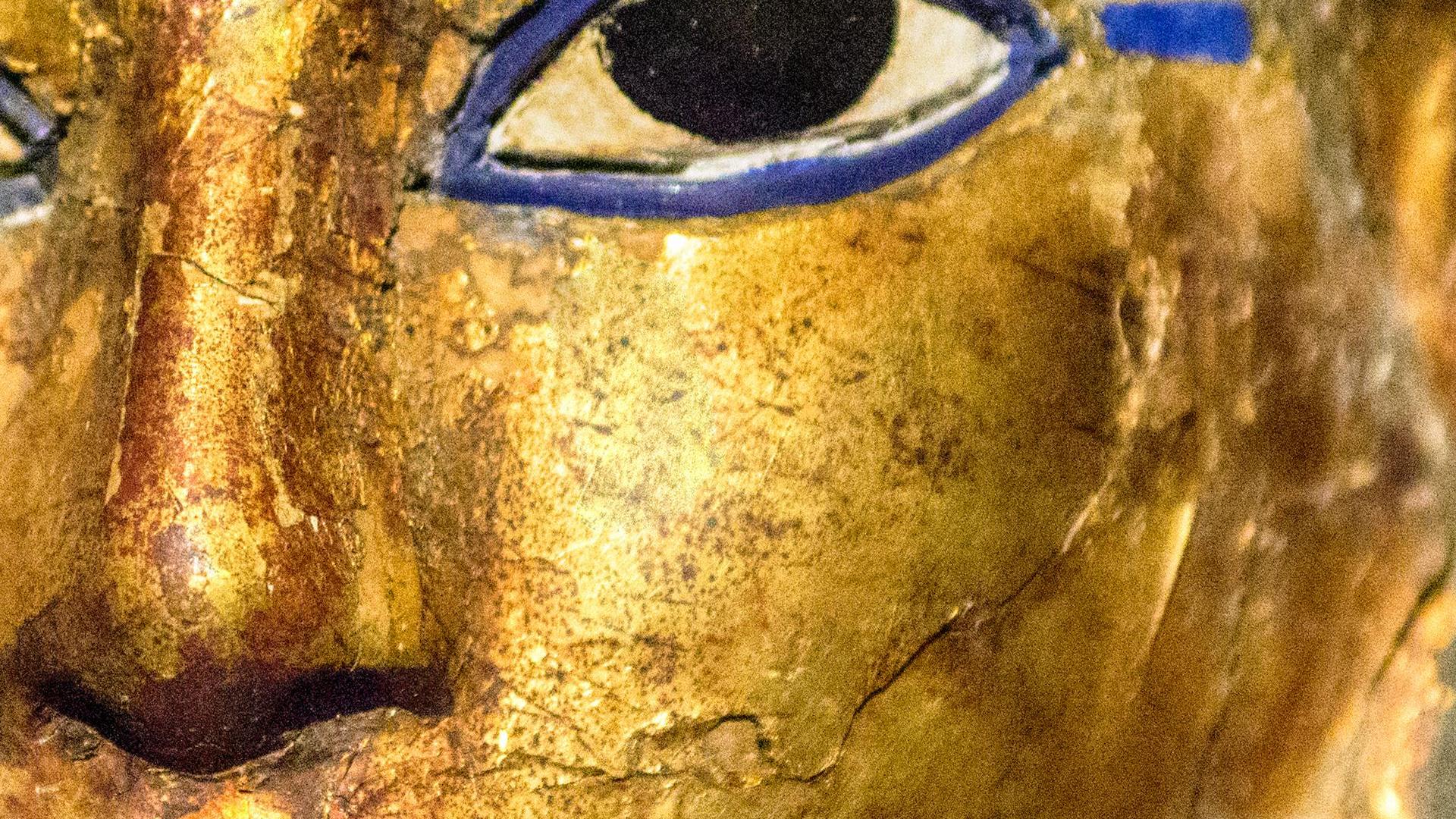
Egyptian Museum vs Grand Egyptian Museum: compare collections, location, and visitor experience to choose the best museum for your Cairo itinerary.
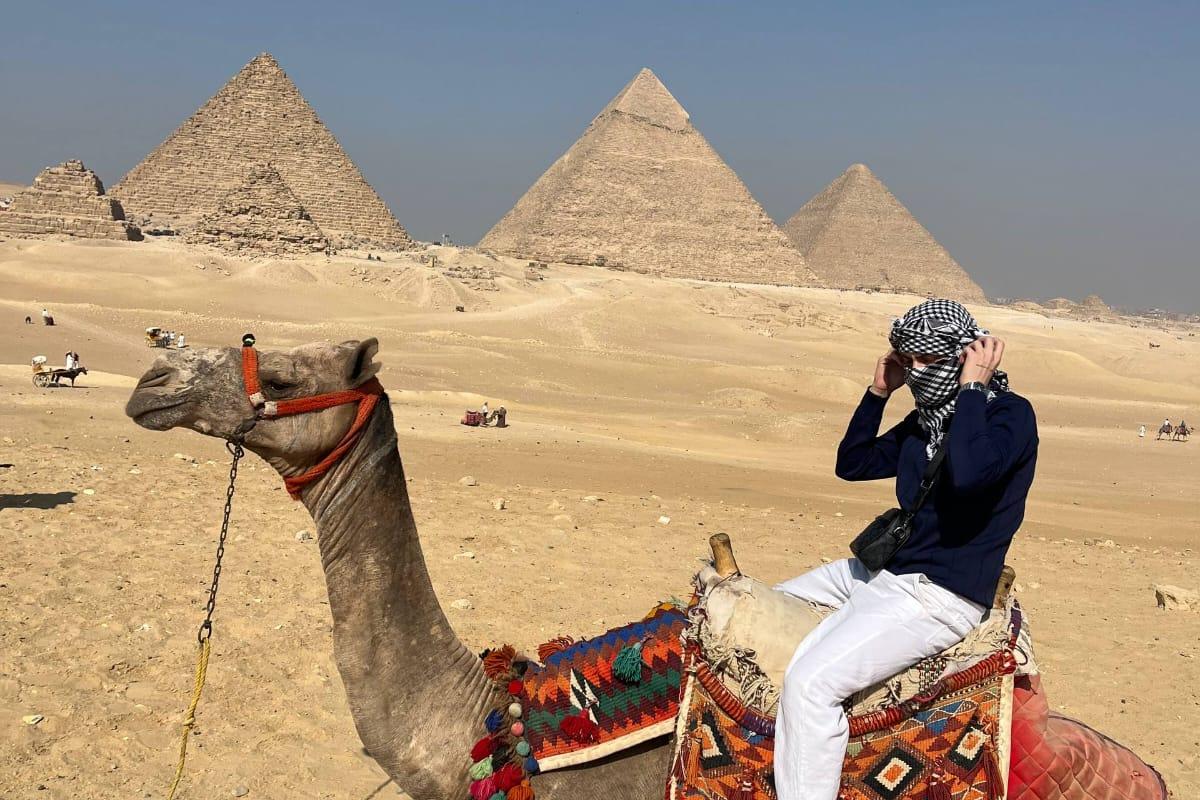
Learn how a Giza Pyramids tour works — from hotel pickup and guided visits to the pyramids and Sphinx to museum stops and lunch in Cairo.
Share This Post
Related Tours

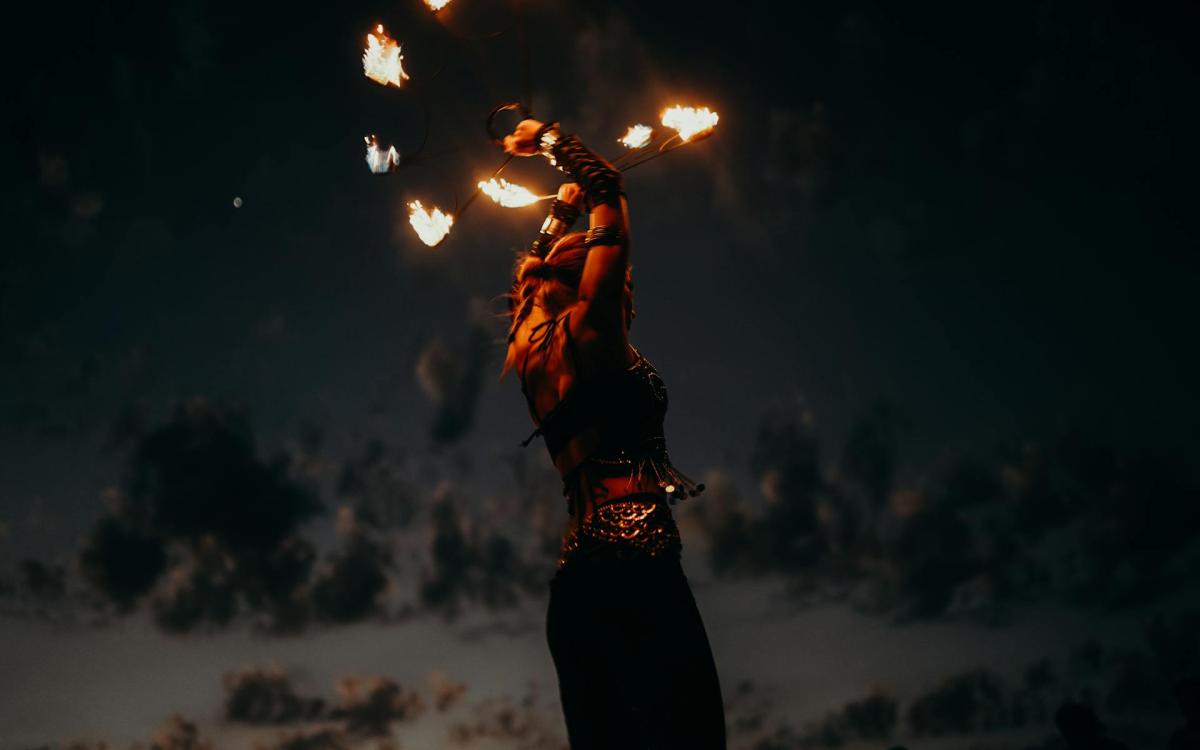
Sharm el Sheikh
Sunset Quad & Buggy Safari + Bedouin Dinner & Oriental Show in the Desert- 5 (1)
$ 25
Explore Now